
ROTATOR (2020)
Artist: Boris Steiner & Ricardo van Eyk
Title: ROTATOR
Year: 2020
Location: SB34 – The Pool, Brussels, Belgium
Curator: Jacopo Pagin
Medium: Collaborative spatial installation
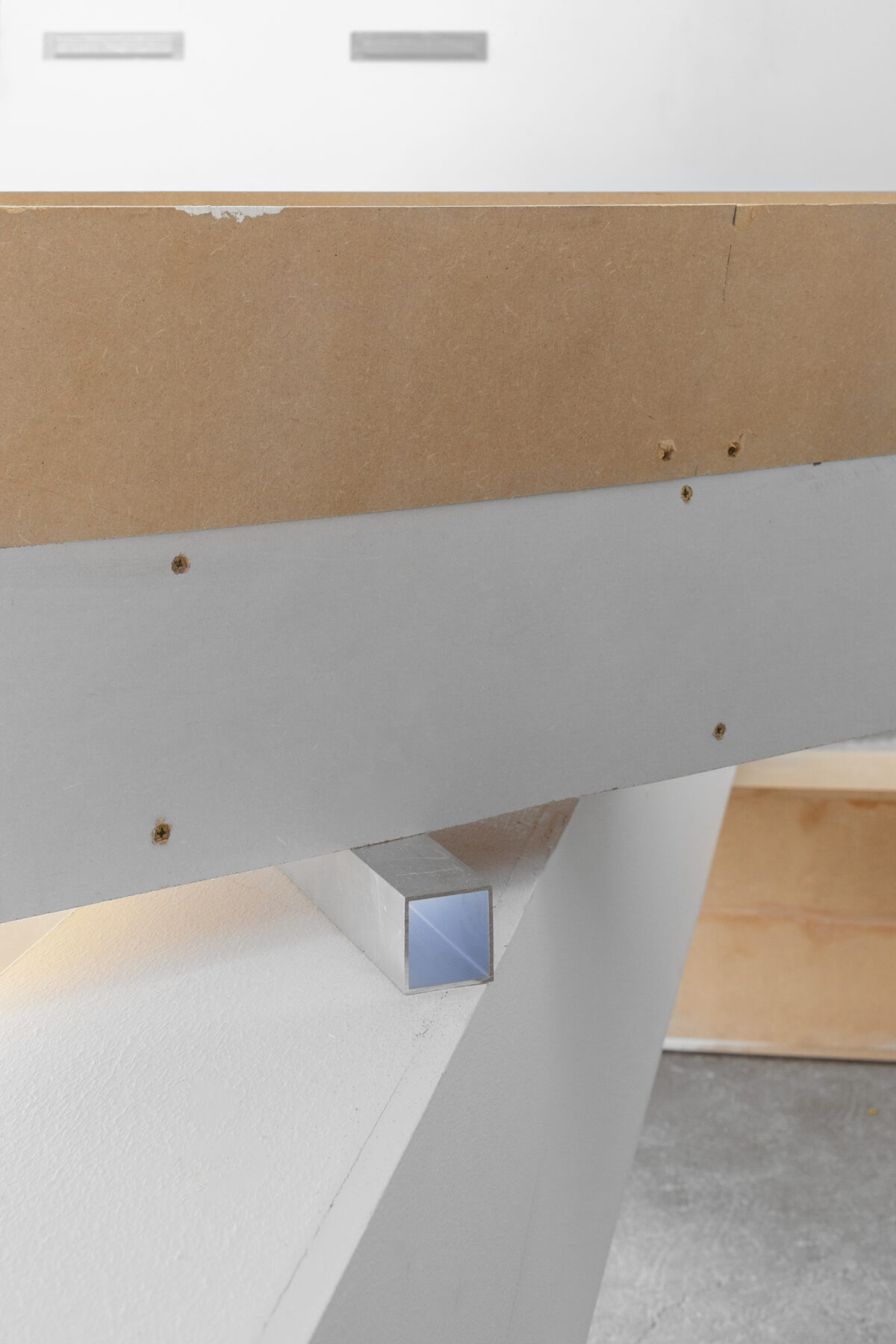
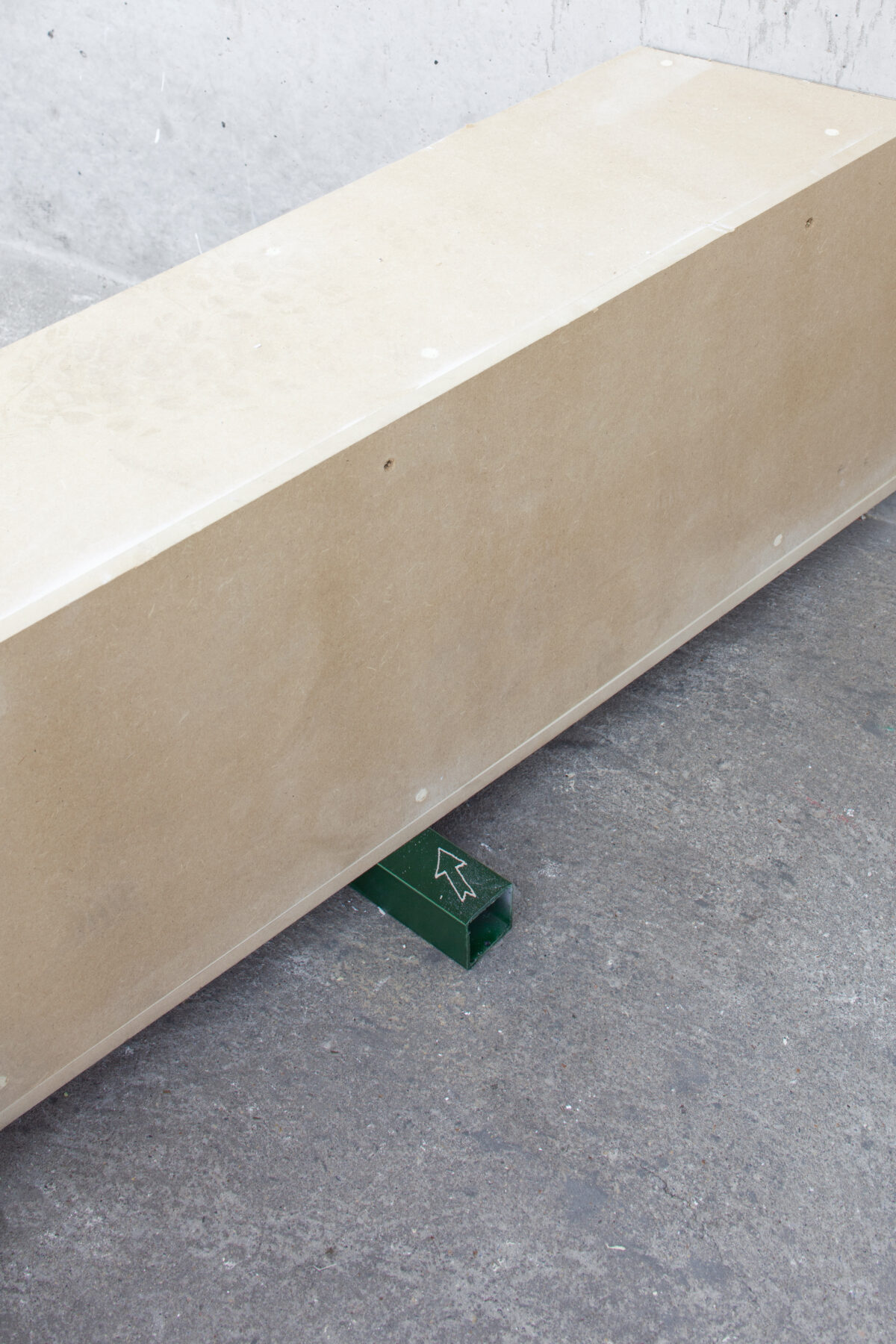
Materials: Repurposed wood, printed matter, aluminium, found urban materials, lighting, paint
Photography: Silvia Cappellari
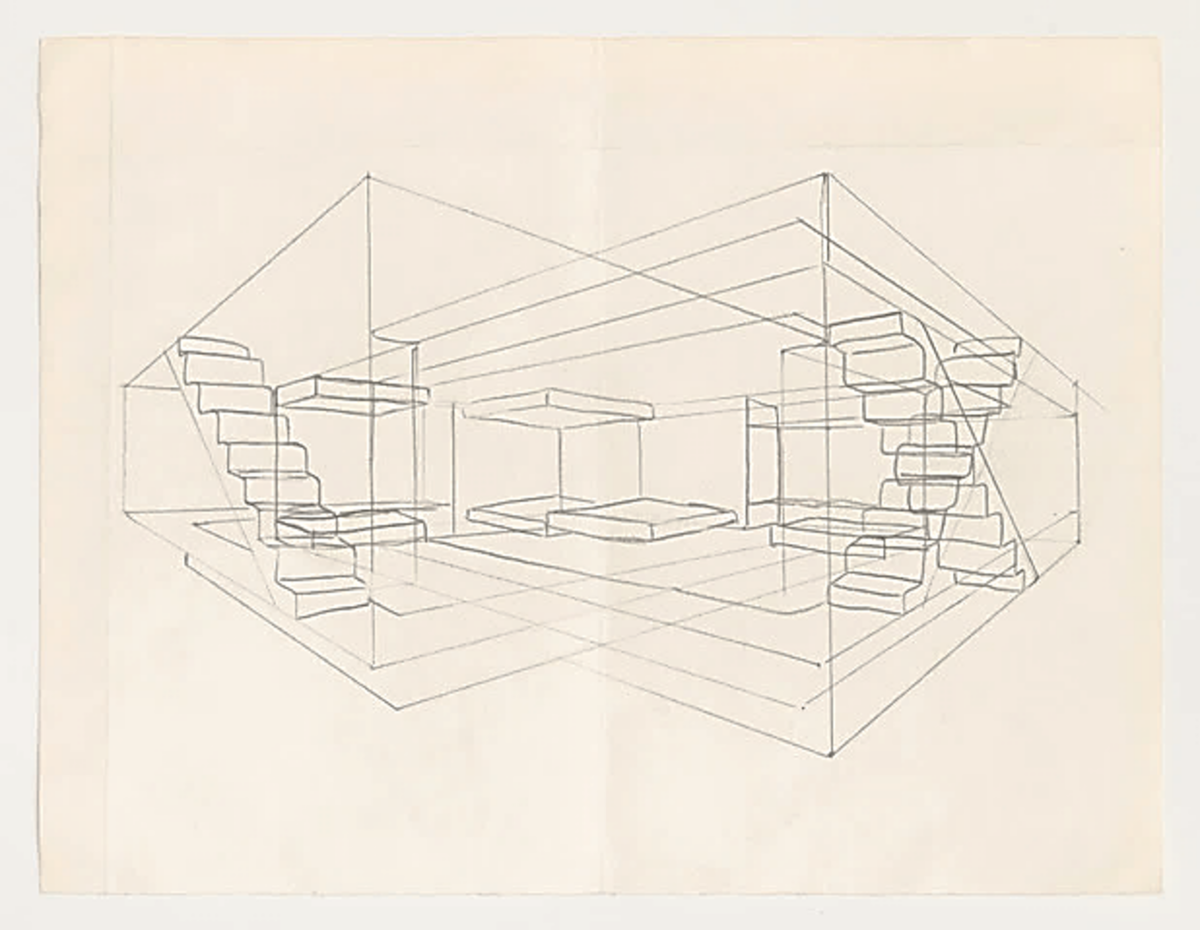
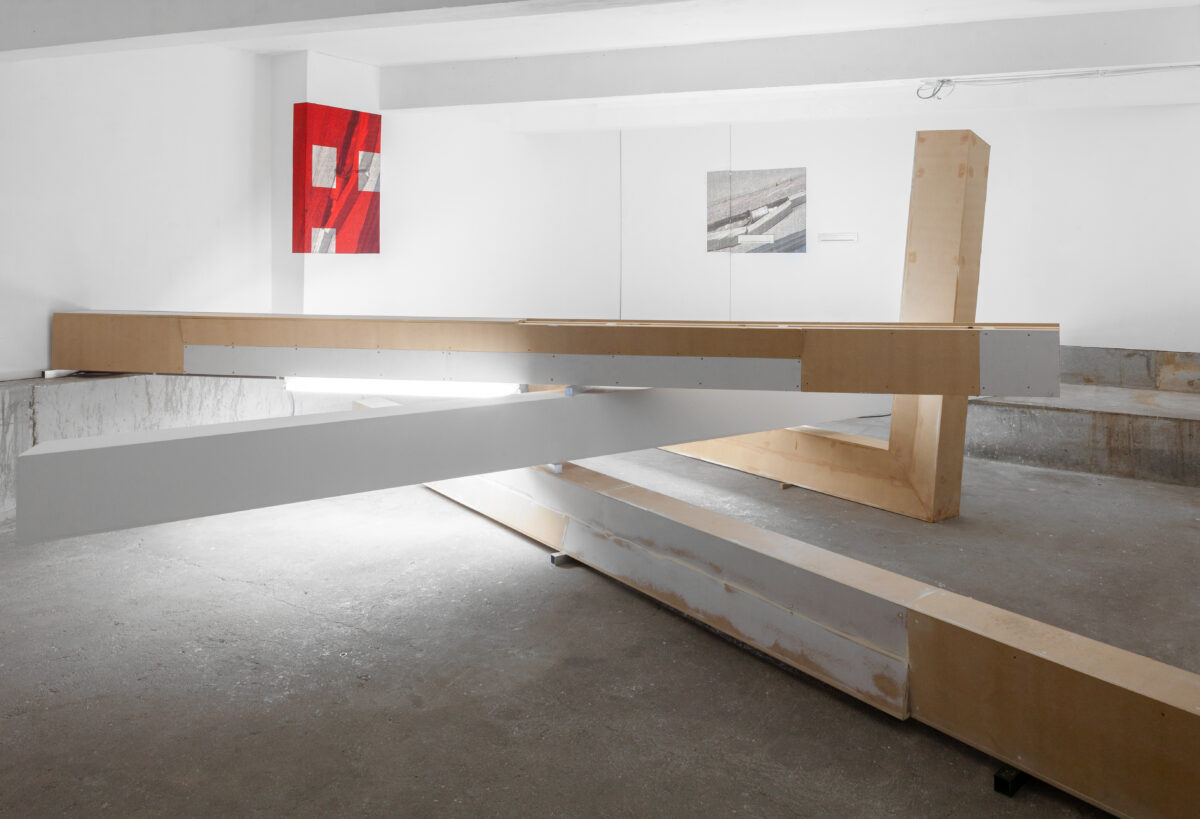
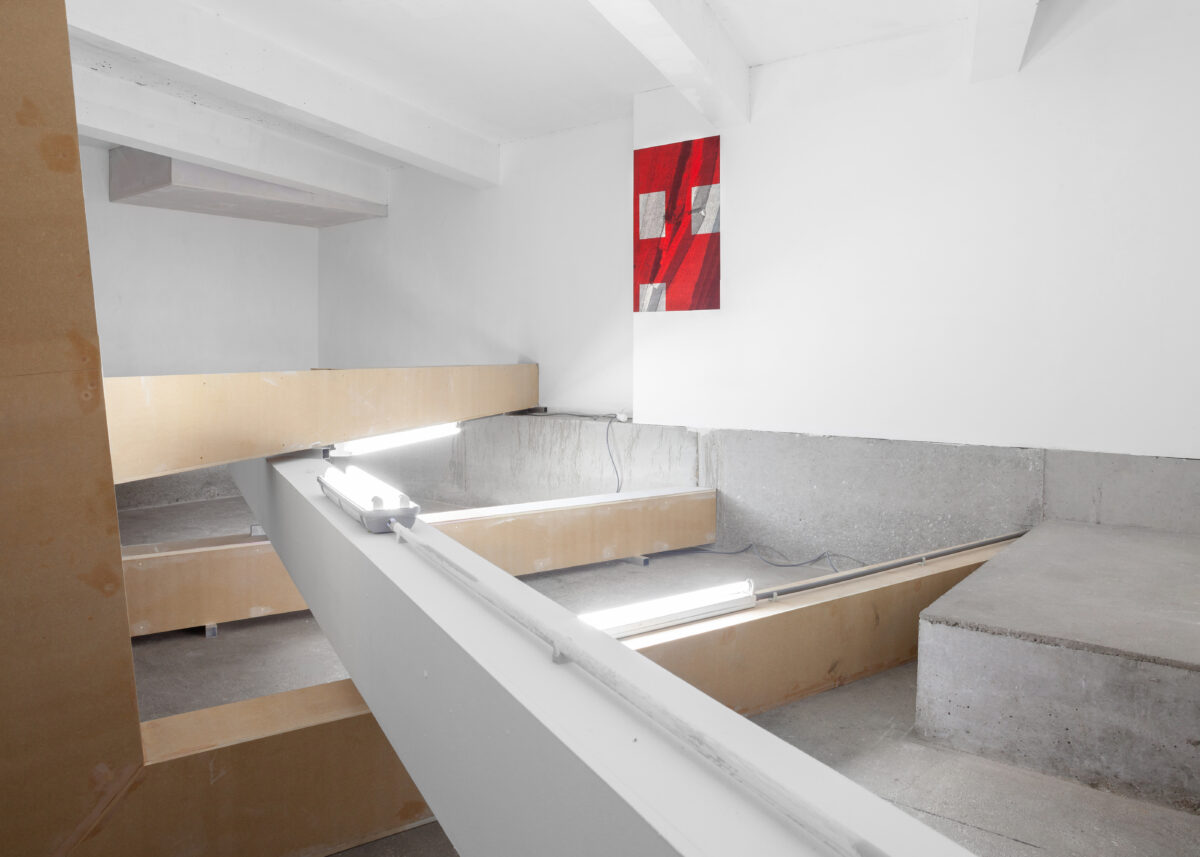
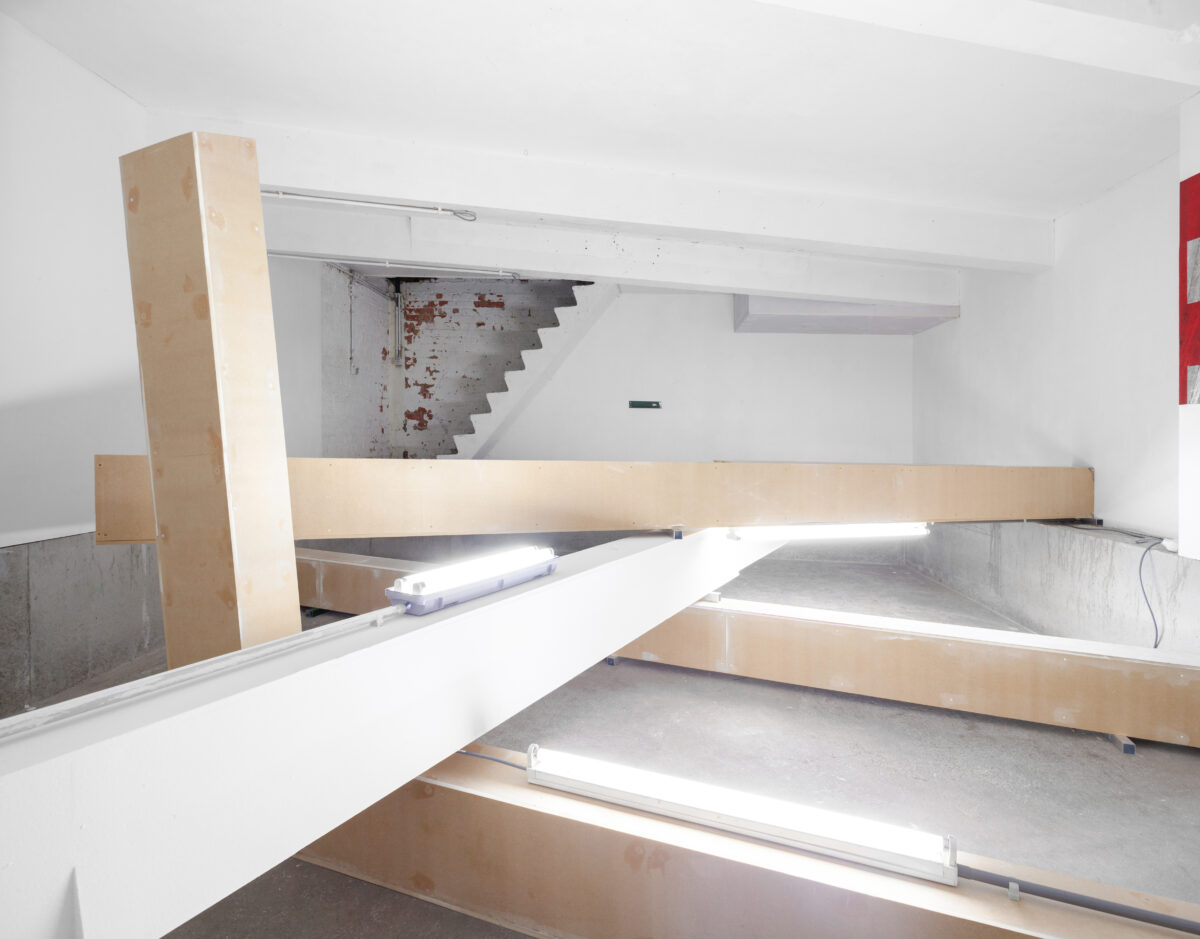
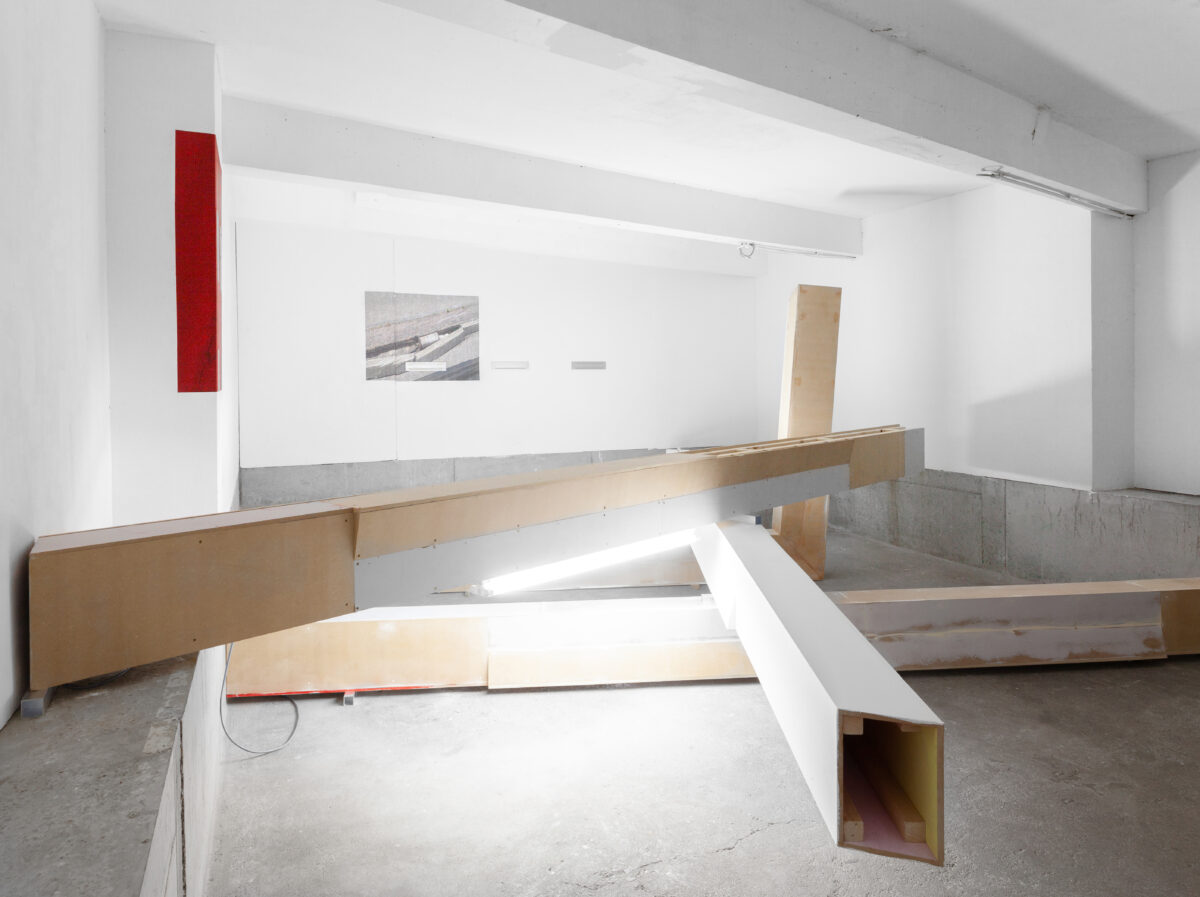
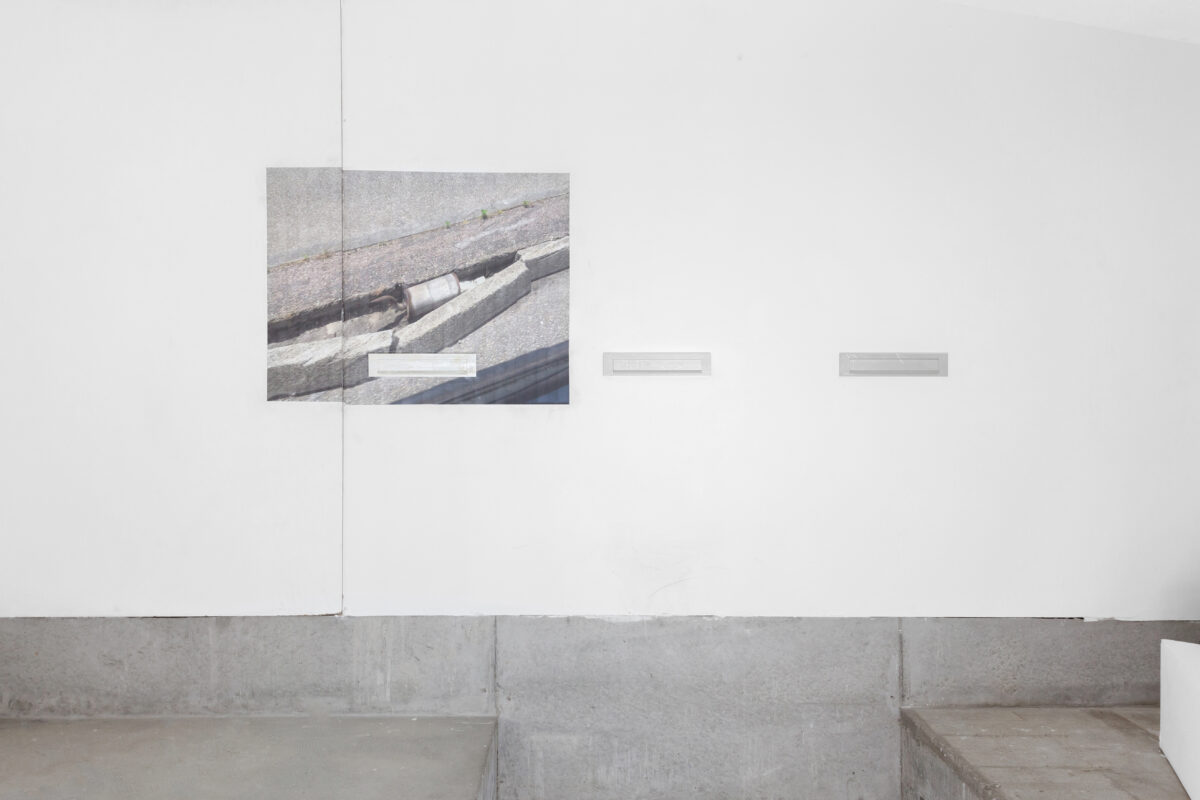
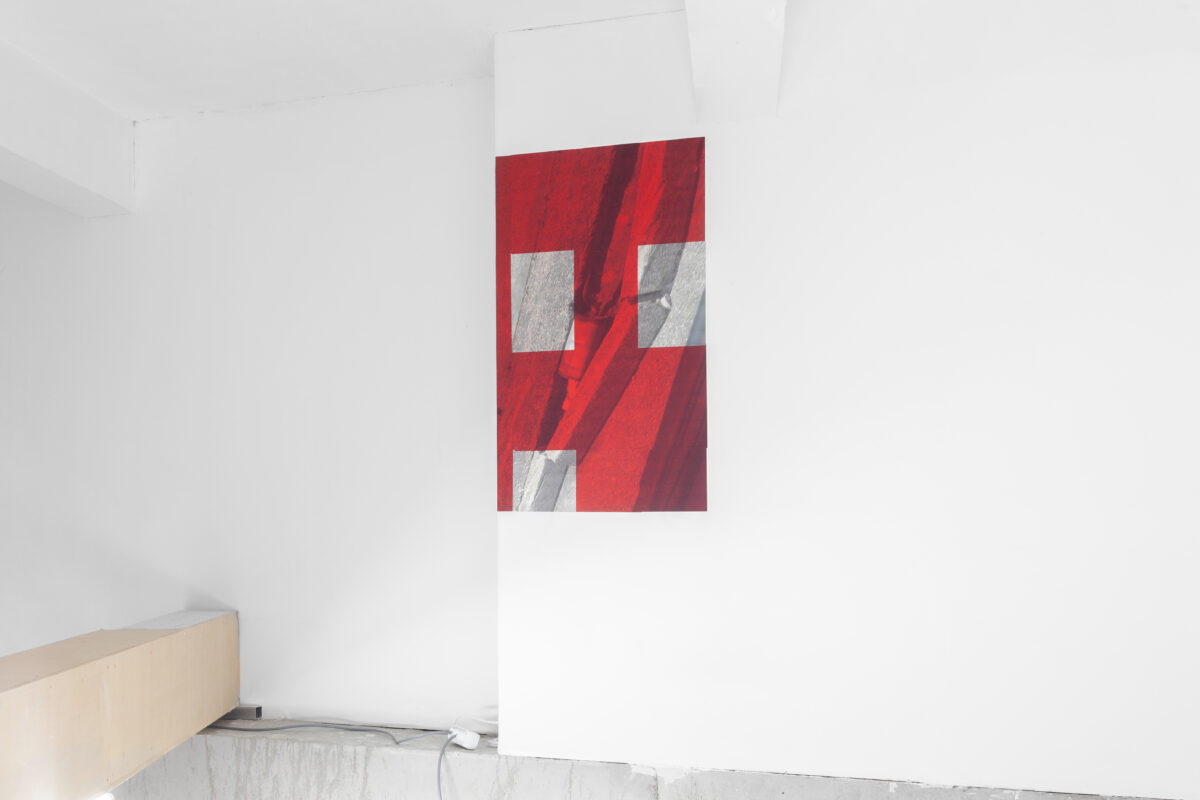
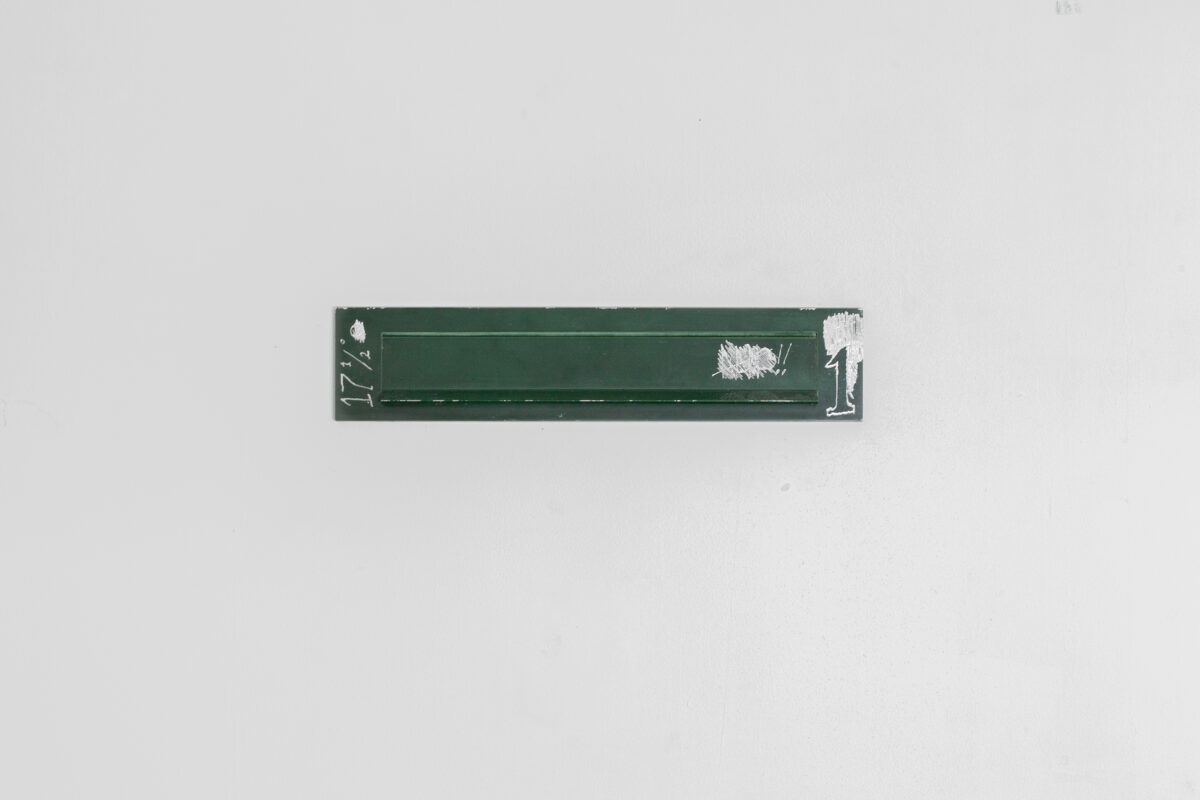
The collaborative spatial installation ROTATOR, an upside-down palindrome, reflects the central idea of inversion and mirroring. The artists, Ricardo van Eyk and Boris Steiner, challenged themselves to think upside down, reconfiguring the space so that the ceiling, lighting, and structural elements were brought down to the floor, and vice versa. Since the exhibition took place in an underground space, they also explored the reversal of above and below by bringing elements of the city streets and public space down into the basement. In doing so, visitors encountered traces of the urban surface, such as wild postings, letterboxes, and graffiti tags, embedded within the installation. The collaborative work functioned as a metaphorical reflection between two neighbouring countries, the Netherlands and Belgium, mirroring their proximity, differences, and spatial conditions through a joint artistic gesture.

Exhibition text by Jacopo Pagin:
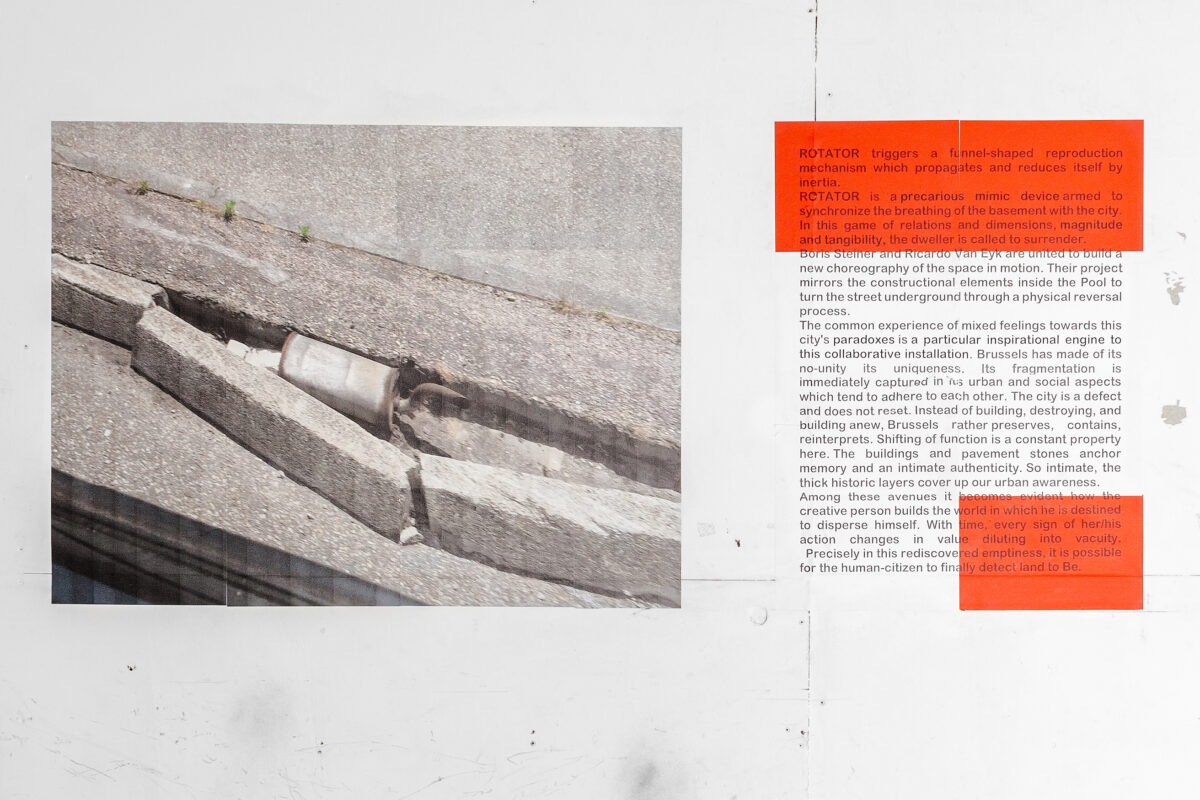
ROTATOR triggers a funnel-shaped reproduction mechanism which propagates and reduces itself by inertia.
ROTATOR is a precarious mimic device armed to synchronize the breathing of the basement with the city. In this game of relations and dimensions, magnitude and tangibility, the dweller is called to surrender.
Boris Steiner and Ricardo Van Eyk are united to build a new choreography of the space in motion. Their project mirrors the constructional elements inside the Pool to turn the street underground through a physical reversal process.
The common experience of mixed feelings towards this city’s paradoxes is a particular inspirational engine to this collaborative installation. Brussels has made of its no-unity its uniqueness. Its fragmentation is immediately captured in its urban and social aspects which tend to adhere to each other. The city is a defect and does not reset. Instead of building, destroying, and building anew, Brussels rather preserves, contains, reinterprets. Shifting of function is a constant property here. The buildings and pavement stones anchor memory and an intimate authenticity. So intimate, the thick historic layers cover up our urban awareness.
Among these avenues it becomes evident how the creative person builds the world in which he is destined to disperse himself. With time, every sign of her/his action changes in value diluting into vacuity. Precisely in this rediscovered emptiness, it is possible for the human-citizen to finally detect land to Be.